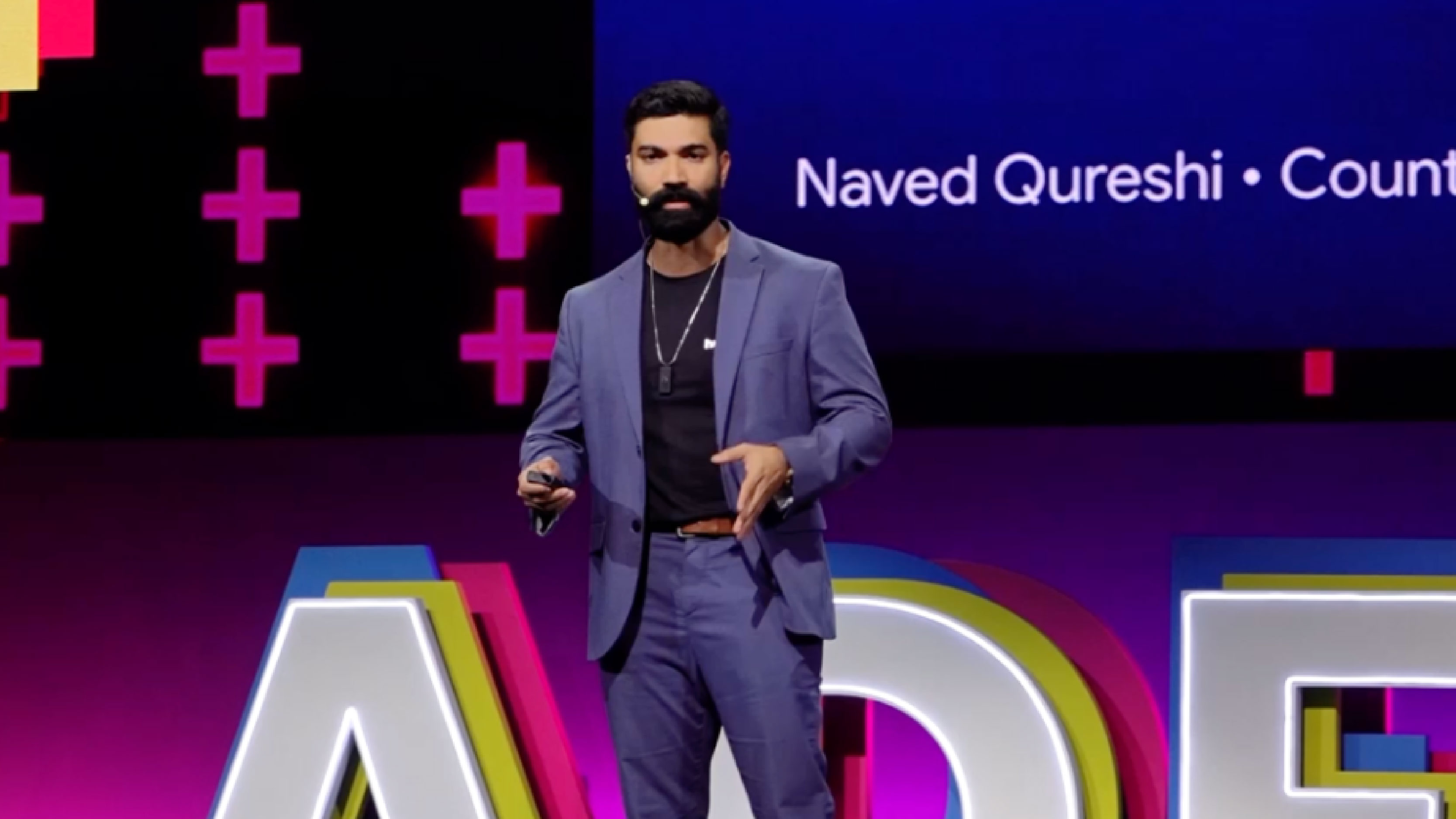
At adfest 2026, Naved Qureshi, Country Head of Voxxy Media in Jakarta, presented “Creator Economy: Moving Audiences from Awareness to Advocacy to Action,” where he questioned how some brands are working with creators today. Most brands recognise the need to include creators in their marketing plans, but managing them effectively, especially at scale, is another challenge.
A typical marketing brief in 2026 asks for content that goes viral, stays brand-safe, delivers ROI, feels hyperlocal and is ready yesterday. Having worked on the client side, as a creator and now on the agency side, Qureshi has seen how difficult these expectations can be to manage. Four questions keep coming up in marketing meetings: Did creators grow the brand? How do we manage risk? Will the idea work across markets? And can we connect the activity to actual sales?
Qureshi introduced the 4P Creator Operating System, with culture at its centre, to address these concerns.
Proof: Did creators grow the brand or just generate views? Qureshi called this “The Moo Deng Dilemma.” Imagine a perfume brand jumping on the viral hippo trend and getting 10 million views. The CEO is thrilled. But did anyone buy the perfume? Most people simply share the post, argue in the comments or like it before forgetting about it. To measure what happens beyond those views, Qureshi introduced a KPI translation ladder covering Awareness, Consideration, Advocacy and Action. It connects creator signals such as hook rates, saves, comments and clicks to business evidence including search interest, brand mentions, conversions and sales. He urged brands to move beyond vanity metrics like views to track business signals and performance instead.
Protection: How do you keep creator campaigns safe at scale? Qureshi used the CMO's Anxiety Matrix to show the risks brands face. Safe content can go unnoticed, while content that pushes too far can create a PR crisis. His Creator Risk Stack sets out four safeguards: vetting and suitability, contracts and disclosures, creative governance, and live monitoring and response. These cover everything from checking a creator's audience and content history to managing approvals, usage rights and potential problems once the content is published.
Portability: Can the same brand idea travel across cultures? Southeast Asia is made up of many different cultural groups, sometimes within the same country. Qureshi illustrated how brands miss these differences through the Corporate Trend Lifecycle. A Gen Z creator starts a trend on day one. Millennials pick it up by day 14. An agency pitches it to a brand on day 45, and the CEO finally posts about it on LinkedIn on day 90. By then, the meme is dead. Qureshi's approach has three parts: keep one brand truth, understand many culture codes, and develop creator-native formats. The idea stays recognisable, but how it is expressed should feel natural to the local audience.
Performance: How does attention turn into action? Qureshi pointed to creator recommendations, product demonstrations and live commerce as ways to connect content with purchases. Search, store visits, add-to-cart activity and sales need to be considered when planning the campaign. As he put it, “When the cart starts moving, everyone listens.”
Many brands still manage reach and creator activity separately. One team buys media, another hires influencers, and different agencies handle the approvals and reporting. This leaves brands dealing with slow timelines, inconsistent content and scattered performance data.
Qureshi proposed bringing these activities together through five connected tactical elements, or the 5Cs:
Creators: Cultural translators who bring an established relationship and trust with their audiences.
Content: Formats that suit the platform and can travel across different audiences.
Communities: Where trust develops and advocacy is earned.
Creatives: The brand idea and the guidelines that protect its meaning across different executions.
Commerce: A clear path from interest to action, whether through search, store visits or purchases.
“The 5Cs are the operating levers. The 4Ps are the business test.” Qureshi explained that the five elements make the creator system work, while the four Ps help brands assess whether it is delivering results and is safe to scale.
He shared examples of how brands are putting different parts of this approach into practice.
Google Indonesia: Building a community that keeps working. Through FrOG (Friends of Google), Google works with around 150 creators across different interests and content categories. They are regularly involved in events, product experiences and launches, rather than being brought in for one-off promotions. For its Back to University initiative, Google used FrOG creators alongside student creators and professionals to introduce practical uses of Gemini, including Guided Learning, Deep Research, NotebookLM and Nano Banana. The content showed students how the tools could help with everyday academic work, encouraging them to try the products for themselves.
Viu: Bringing creators into entertainment. Viu already attracts audiences through Korean, Thai and Chinese entertainment, but Qureshi highlighted how creators can help build conversations around that content. He gave the example of a creator interviewing the cast of a romantic drama while bringing a perfume sponsor into the discussion. Other creators could then extend the conversation through reactions and short-form videos. The approach gives advertisers a way to work with entertainment that audiences are already interested in, while helping the content reach people beyond the streaming platform.
Kino and Paragon: Connecting trust with purchases. Qureshi pointed to Indonesian brands using creators and live commerce to drive direct action. Viewers hear about products from people they follow, watch demonstrations and can purchase during the same experience. This is the commerce end of the creator journey, where the audience has a direct way to act on a recommendation.
The three examples brought Qureshi back to his opening question: what do a banana, a K-drama and a perfume bottle have in common? Nano Banana represented Google's product education through creators. K-drama showed how entertainment can generate conversation, while the perfume illustrated opportunities for brands to become part of creator-led content and commerce.
Qureshi ended with a practical recommendation for brands planning large creator campaigns. Put the right people, processes and safeguards in place first, whether through an internal team or an agency partner. The 4Ps and 5Cs provide a structure that allows consistent, scalable, and high-impact campaigns across markets.
His final message was clear: “Stop buying influencers. Start building a Creator Operating System.”
adfest is now calling for program proposal submissions. For your chance to take the stage at adfest 2027, submit your proposal here by 30 November. For more information on proposal submission, click here.